Is Snorkeling Safe in Cozumel in 2026?
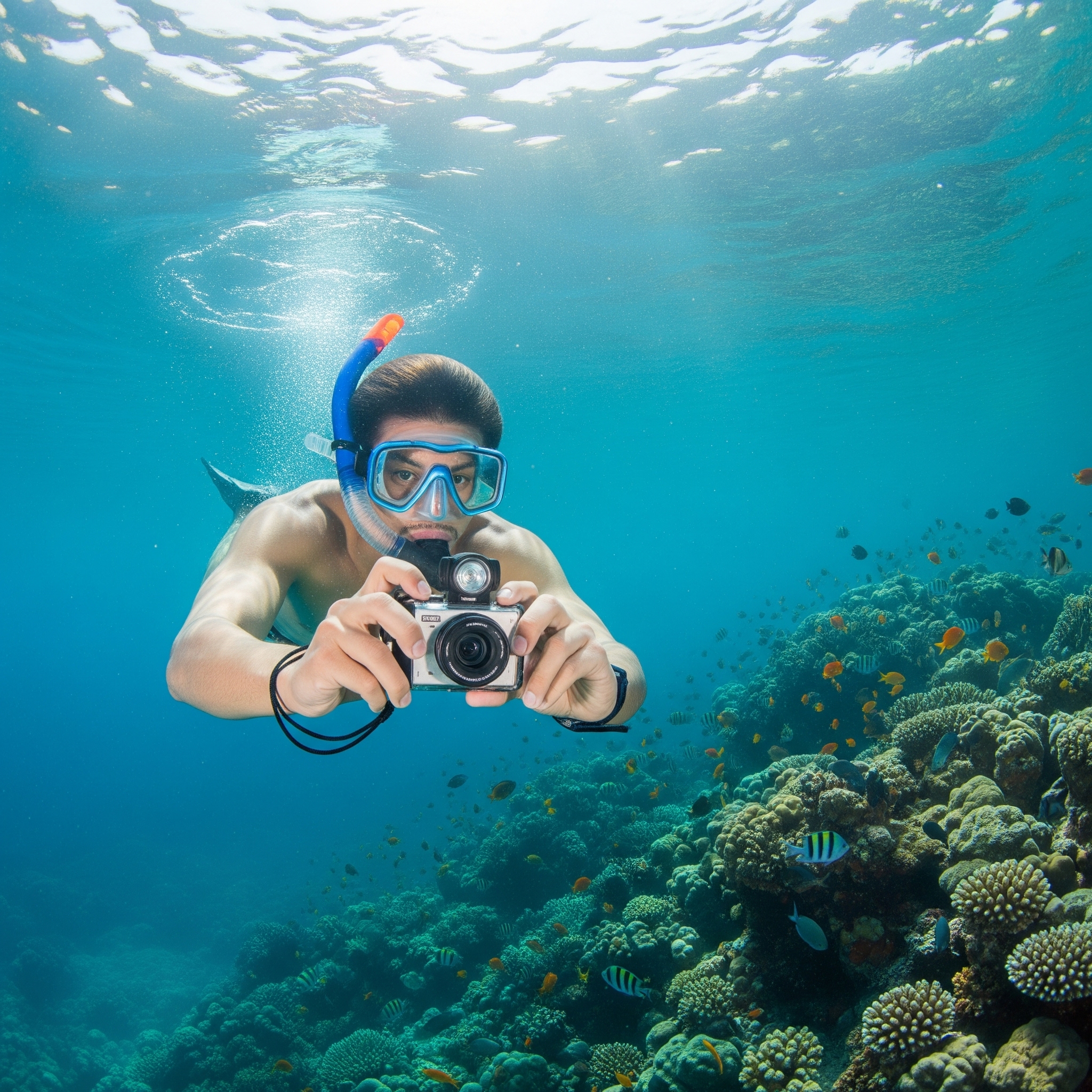
Snorkeling in Cozumel is safe in 2026 when done on the island’s calm west coast, using proper safety gear, and following marine park regulations. Most snorkeling accidents happen when swimmers ignore site conditions, venture too far from shore, or fail to use life vests. Calm water, high visibility, and structured safety routines make Cozumel a top destination for beginner and family snorkeling.
Cozumel’s west side offers the most stable conditions due to protection from prevailing winds. Shore snorkeling here involves easy walk-in access, shallow water where you can stand, and visible exits—ideal for first-timers and children.
Marine park officials now enforce safety measures more strictly in 2026. Life vests are required in most zones, and reef contact is heavily monitored to protect fragile coral systems. This not only protects marine life but also improves safety by ensuring snorkelers don’t go too deep or drift into boat lanes.
Oceanfront beach clubs in Cozumel like Sunset Cozumel design routes based on daily wind and reef conditions, avoiding high-risk areas while maximizing visibility and access. Beginners benefit from route briefings, buddy systems, and shore access that allows short, manageable sessions.
Key Safety Factors:
- Snorkel on Cozumel’s west coast for calmer water.
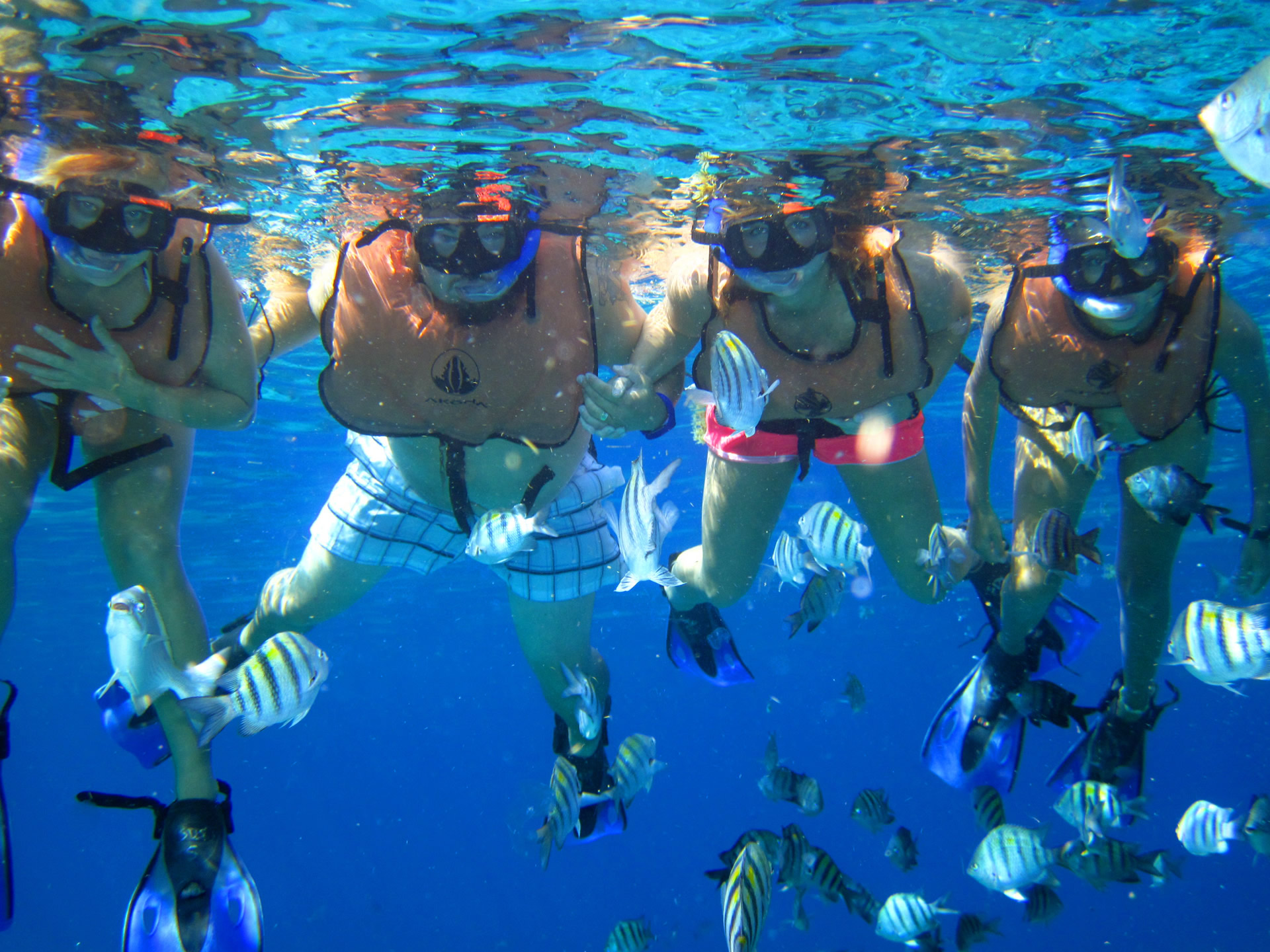
- Use a life vest and well-fitted snorkel gear.
- Follow marine park rules to avoid fines and improve safety.
- Choose guided or supervised sessions, especially if new to snorkeling.
Snorkeling is safe in Cozumel in 2026 when done on the west coast using a life vest, checking daily conditions, and avoiding restricted reef zones. Guided snorkeling increases safety by offering calm routes and expert oversight.
Real Snorkeling Risks in Cozumel (And How to Avoid Them)
Snorkeling in Cozumel is generally safe in 2026, but risks include currents, boat traffic, heat, and poor gear fit. These can be avoided by choosing the right locations, timing your sessions, and using proper equipment.
Common Snorkeling Risks in Cozumel:
- Currents and Drift
- Strongest after wind shifts or storms
- Lateral drift can pull snorkelers away from entry points
- Most dangerous when unnoticed—exit if you feel a steady pull
- Boat Traffic
- Risk increases near busy boat lanes, especially during cruise hours
- Snorkeling outside marked zones or without a flag raises collision danger
- Most safe zones are clearly marked and monitored
- Heat and Dehydration
- Long sessions under the sun cause fatigue
- Heat exposure is higher on cruise ship days
- Lack of breaks increases exhaustion and discomfort
- Poor-Fitting Gear
- Leaky masks can trigger panic
- Unfitted fins lead to leg fatigue
- Ill-fitting life vests reduce flotation efficiency
- Seasonal Marine Life
- Jellyfish may appear seasonally but are usually harmless
- Fire coral or sea urchins pose risk only if touched
- Rash guards reduce contact and provide sun protection
How to Avoid These Risks:
- Snorkel in calm, shallow water with easy shore access
- Always use a life vest and properly fitted gear
- Stay within marked zones and away from boat lanes
- Snorkel with a buddy or certified guide
- Take hydration and shade breaks between sessions
- Exit the water early if visibility drops or fatigue sets in
The main snorkeling risks in Cozumel—currents, boat traffic, heat, and poor gear—are preventable by using a life vest, staying in marked zones, snorkeling with a guide, and exiting early when conditions change.
Cozumel Reef Closures 2026: What Snorkelers Need to Know
Reef closures in Cozumel are normal and rotate monthly in 2026 to protect coral health. Closures are temporary, affect specific zones—not the entire island—and ensure long-term reef recovery and safe snorkeling conditions.
Why Reefs Close in Cozumel:
- Allow coral and fish populations to recover from human activity
- Reduce overcrowding and boat congestion in popular areas
- Maintain better water quality and visibility for snorkelers
- Protect shallow reef zones frequently accessed by beginners
2026 Reef Closure Patterns (Typical Rotation):
- Winter (Dec–Feb): Some marine park reefs close for seasonal recovery
- Spring–Summer (Mar–Aug): High-traffic drift reefs close in rotation
- Late Summer–Fall (Sep–Nov): Deeper reefs rest to reduce damage
- Year-Round: Many west coast shore-access reefs stay open consistently
What This Means for Snorkelers:
- Boat-access reef closures are temporary and location-specific
- Shore-entry reefs near town remain open almost all year
- Guided tours adjust routes daily based on current reef access and weather
- Licensed operators like Sunset Cozumel manage closures, permits, and route planning
How to Check Reef Access Before Snorkeling:
- Ask a licensed local operator for updated closure info
- Avoid relying on outdated blogs or social media posts
- Be flexible—conditions and access may change day to day
- Choose guides that adjust their routes based on reef status and conditions
Cozumel reef closures in 2026 rotate monthly to protect coral. Boat-access reefs close temporarily, but shore reefs near town remain open. Guided snorkeling tours help visitors avoid closed areas and adjust based on conditions.
Snorkeling Safety Tips for Beginners and Kids in Cozumel
Cozumel is beginner- and family-friendly for snorkeling when done in calm, shallow areas with proper supervision and safety gear. The island’s west coast offers gradual entries, low currents, and shore access points that make it ideal for first-timers and children.
What Beginners Need Most:
- Shallow water where standing is possible
- Calm surface conditions with minimal wave movement
- Short, defined snorkel routes with easy entry/exit
- Time to adjust to breathing, floating, and using gear
- Supervision or guided tours for extra support
Snorkeling with Kids:
- Life vests are mandatory for children and reduce anxiety
- Shorter sessions help avoid fatigue or fear
- Adult supervision must stay close in the water
- Calm beach entry points lower stress for young snorkelers
- Breaks between swims help keep kids relaxed and hydrated
Best Setup for Families:
- Shore access instead of boat entry (no ladders or jumps)
- Nearby restrooms, shade, and food for comfort
- Clear entry and exit points to avoid confusion
- Guided routes that avoid currents and deeper zones
- Flexible timing based on how kids feel
Beginner Mistakes to Avoid:
- Letting beginners drift too far from entry points
- Skipping pre-snorkel safety briefings
- Using poorly fitted gear that leaks or causes discomfort
- Staying in the water too long without breaks
How Local Guides Help:
- Offer controlled entry locations on the west coast
- Provide gear checks, life vests, and pacing support
- Adjust routes daily based on wind, current, and reef status
- Create a safe, non-rushed experience for families and first-timers
Cozumel snorkeling is safe for beginners and kids when done in shallow west coast areas with calm water, life vests, and adult supervision. Guided shore snorkeling lowers risk and helps new snorkelers feel confident and relaxed.
Snorkeling Gear, Health Checks & Preparation Tips
Proper gear, basic health readiness, and simple preparation make snorkeling in Cozumel safer and more comfortable—especially for beginners and families. While advanced equipment isn’t necessary, fit, flotation, and sun protection are essential in 2026.
Required Snorkeling Gear in Cozumel:
- Mask and Snorkel:
- Choose a snug, leak-free mask
- Test snorkel for easy breathing before entering water
- Fins:
- Use short fins for better control in shallow water
- Avoid oversized fins that cause fatigue or drag
- Life Vest:
- Required in marine park areas
- Strongly recommended for all snorkelers, especially kids and non-swimmers
Full-Face Snorkel Masks (Pros and Cons):
- Pros:
- Easy for beginners to use initially
- Offer a wide field of view
- Cons:
- Not ideal for long sessions or rough water
- Make breathing regulation harder during stress
- Most guides prefer traditional masks for safety and communication
Sun Protection Rules in 2026:
- Chemical sunscreens are restricted in many areas
- Use rash guards, UV shirts, and wide-brim hats for physical protection
- Reef-safe sunscreen (if allowed) must be applied at least 30 minutes before entering the water
- Snorkeling-friendly beach clubs in Cozumel like Sunset Cozumel often enforce no-chemical sunscreen policies to protect reefs
Basic Health & Comfort Checks Before Snorkeling:
- Be able to float calmly for at least 2–3 minutes
- Stay hydrated before and after snorkeling
- Avoid entering the water if you feel dizzy, overheated, or unwell
- Take breaks between snorkeling sessions to avoid fatigue
Simple Preparation Tips:
- Test your mask and snorkel on land before swimming
- Enter the water slowly to regulate breathing and adjust
- Start with short sessions (15–20 minutes) in calm water
- Exit early if you feel cold, tired, or uncomfortable
Snorkeling in Cozumel is safer when you use a properly fitted mask, short fins, and a life vest. Full-face masks are not ideal for long sessions. Rash guards are preferred over sunscreen, and basic health checks help prevent discomfort or panic in the water.
Safest Snorkeling Spots in Cozumel (2026 Edition)
The safest snorkeling locations in Cozumel in 2026 are on the west coast, where the water is calm, shallow, and protected from wind. These areas offer easy entry and exit, low boat traffic, and consistent visibility—making them ideal for beginners, families, and cruise passengers.
Safety-Rated Snorkeling Locations in Cozumel:
| Area Type | Safety Level | Why It’s Safer | Best For |
| West-coast shore reefs | High | Calm water, shallow entry, clear exits | Beginners, families |
| Near-town shore access | High | Short swim distances, easy return to land | Cruise passengers |
| Sheltered zones | High | Natural wind protection, stable visibility | First-time snorkelers |
| Guided shore routes | High | Supervised, monitored conditions | Kids, non-swimmers |
| Boat-only drift reefs | Medium | Deeper water, stronger currents | Confident swimmers only |
Shore vs. Boat Snorkeling: Safety Comparison
| Factor | Shore Snorkeling | Boat Snorkeling |
| Entry/Exit | Walk-in access, simple exits | Ladders or jumps required |
| Currents | Low to moderate | Moderate to high |
| Fatigue Risk | Low, shorter sessions | Higher due to distance/swim time |
| Flexibility | Exit any time | Must return to boat |
| Best For | Beginners, families, cruise guests | Experienced snorkelers |
Why Site Selection Matters:
- Cozumel conditions change daily based on wind, tide, and reef health
- Local operators monitor:
- Wind direction
- Water movement
- Visibility
- Marine park restrictions
- Operators like Sunset Cozumel choose safe snorkeling sites based on real-time conditions, not fixed schedules
The safest snorkeling spots in Cozumel are on the calm west coast, especially near shore-access reefs with shallow water and minimal boat traffic. Guided shore snorkeling offers the lowest risk and best support for beginners and families.
Cozumel Snorkeling Safety Checklist (2026 Edition)
A simple pre-snorkel routine prevents most problems in Cozumel. Whether you’re snorkeling from shore or on a guided trip, following a repeatable checklist keeps your experience safe, relaxed, and low-risk.
Step-by-Step Snorkeling Safety Checklist:
- Check daily conditions
- Look for wind direction, water clarity, and signs of strong current
- Avoid whitecaps, lateral pulls, or sudden visibility drops
- Confirm reef access
- Some reefs are closed on a rotating basis in 2026
- Ask a licensed operator about up-to-date access zones
- Use a life vest
- Required in most marine park areas
- Reduces fatigue and improves flotation
- Test all gear before entering
- Ensure mask fits snugly and doesn’t leak
- Check snorkel for easy breathing
- Enter water slowly
- Allow breathing to stabilize
- Get used to mask and water temperature gradually
- Stay within marked zones
- Avoid boat lanes and unmonitored areas
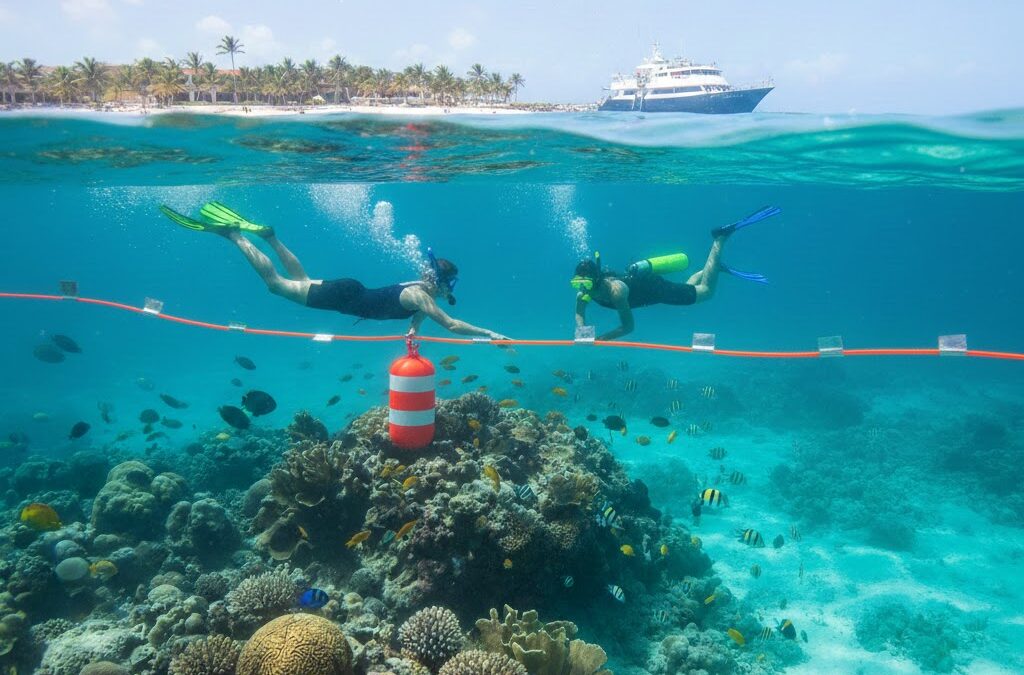
- Look for snorkel buoys and reef protection flags
- Snorkel with a buddy or guide
- Faster help if needed
- Avoids drifting unnoticed
- Exit early if tired or cold
- Most incidents happen when swimmers stay in too long
- Prioritize comfort over pushing limits
🚨 Emergency Basics to Know:
- Exit immediately if visibility drops or current increases
- Signal for help—don’t swim against the current
- Drink water between snorkel sessions to prevent dehydration
- Know your nearest exit point before entering the water
Cozumel snorkeling operators like Sunset Cozumel review this checklist before every session and adjust routes based on real-time conditions, reef closures, and guest comfort levels.
Follow a snorkeling safety checklist in Cozumel by checking daily conditions, confirming reef access, using a life vest, and staying in marked zones. Exit early if tired and snorkel with a buddy or guide for added safety.
Conclusion: Snorkel Smarter, Safer, and Sustainably in Cozumel (2026)
Snorkeling in Cozumel remains one of the safest and most rewarding ocean activities in 2026—as long as you follow simple safety routines, respect reef closures, and choose calm, west coast locations. Whether you’re a first-time snorkeler, traveling with kids, or visiting from a cruise ship, Cozumel offers beginner-friendly, family-safe environments nearly year-round.
Key safety takeaways include:
- Stick to shore snorkeling on the west coast for calm conditions
- Use life vests and well-fitted gear to reduce fatigue and discomfort
- Check daily reef access and avoid snorkeling near active boat zones
- Choose guided experiences for real-time condition monitoring and safety oversight
To maximize safety and enjoyment, work with experienced local operators like Sunset Cozumel. Their team specializes in:
- Selecting the safest routes daily based on wind and reef conditions
- Offering beginner-friendly gear and life vests
- Providing guided snorkel briefings and shore-based entry points
- Respecting marine park rules and coral protection practices
Whether you’re planning your first snorkeling trip or returning for more, Sunset Cozumel helps you explore the island’s reefs confidently—safely, sustainably, and stress-free.
Stay safe while snorkeling in Cozumel by using life vests, checking reef access, and choosing west coast shore locations. Guided tours like Sunset Cozumel provide expert safety, beginner support, and eco-friendly snorkeling routes year-round.
Snorkeling Safety Tips FAQs
What is the best month to snorkel in Cozumel for clear water and low currents?
Snorkel in Cozumel between March and June for the clearest water and lightest currents. These months offer calm west coast conditions, fewer closures, and optimal visibility for both beginners and experienced snorkelers.
Do cruise passengers need a permit to snorkel in Cozumel’s marine park?
No, cruise passengers don’t need to get a permit themselves. Licensed operators handle marine park permits, fees, and safety rules, making guided tours the safest and most convenient option for visitors on cruise schedules.
Can you rent snorkeling gear directly at Cozumel’s shore-access beaches?
Yes, many west coast beaches in Cozumel offer on-site snorkeling gear rentals, but for better fit and hygiene, guided tours like Sunset Cozumel provide sanitized, properly sized gear included in their packages.
Is snorkeling in Cozumel safe during rain or cloudy weather?
Snorkeling during light rain or overcast skies is generally safe, but visibility drops and currents may increase. Avoid entering during storms, heavy rain, or when guides recommend postponement due to shifting conditions.
What are the top eco-friendly snorkeling practices in Cozumel?
Follow eco-snorkeling best practices: wear reef-safe rash guards, avoid touching coral, use no-chemical sunscreen, and book with certified eco-operators like Sunset Cozumel who protect marine life and follow park rules.