Planning to visit Palancar Reef in Cozumel?
What Is Palancar Reef?
Palancar Reef is a reef system off Cozumel’s southwest side, known for dramatic coral formations, reef fish, sponges, sea fans, and classic Cozumel drift-style reef experiences. Visitors often talk about Palancar as one place, but operators and divers usually discuss it as several connected sections.
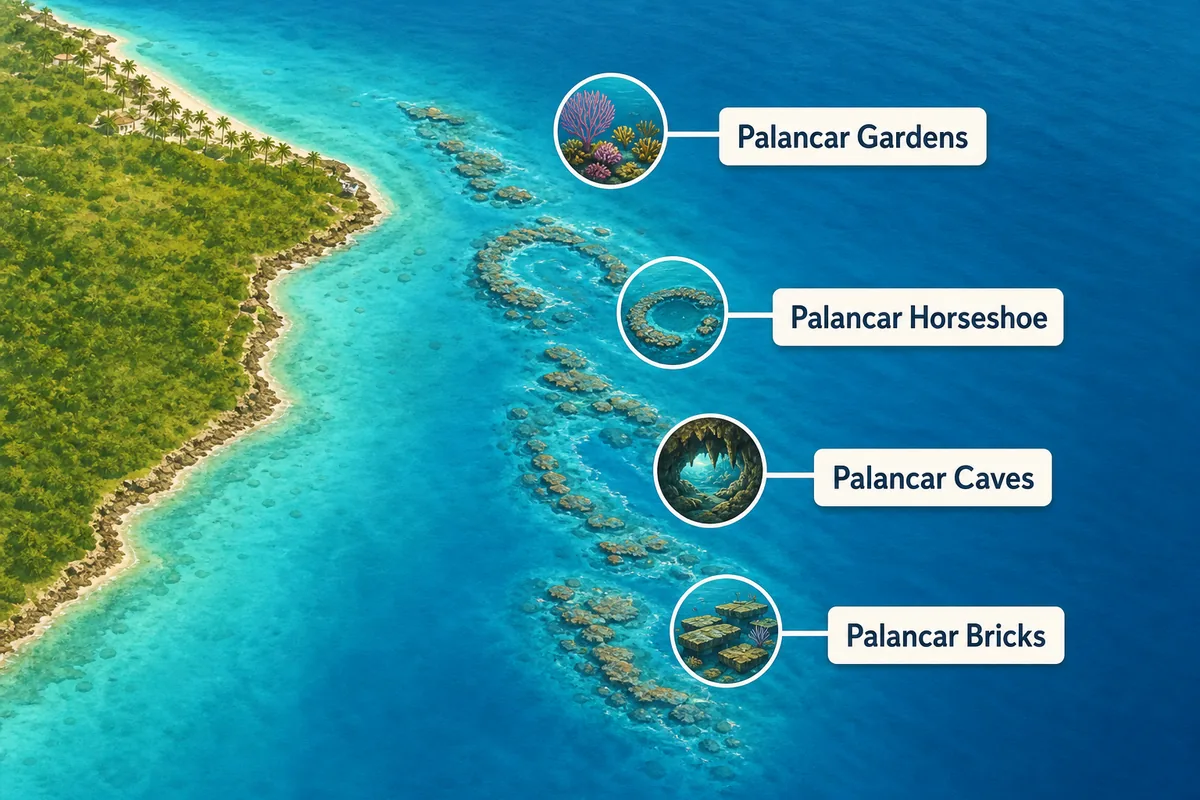
The names you are most likely to hear are Palancar Gardens, Palancar Horseshoe, Palancar Caves, and Palancar Bricks. Those names matter because each section has different planning implications. Palancar Gardens is the section most relevant to many snorkelers and less advanced divers. Caves, Bricks, and deeper wall profiles are more relevant to certified divers with guide support.
Palancar also sits within a larger reef-conservation context. The Nature Conservancy describes the Mesoamerican Reef as the largest barrier reef in the Western Hemisphere, stretching 625 miles along Honduras, Guatemala, Belize, and Mexico, and supporting more than 500 fish species and 60 coral species.
Where Is Palancar Reef in Cozumel?
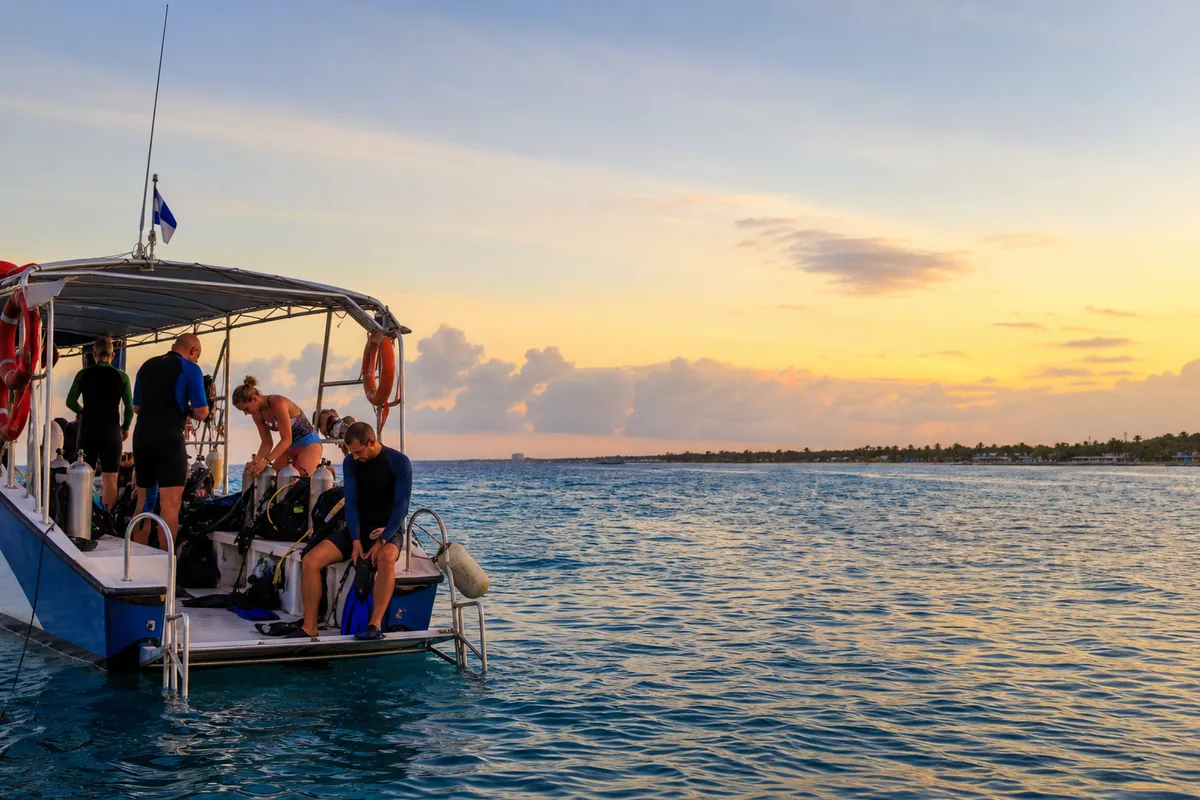
Palancar Reef is off the southwestern coast of Cozumel, south of the main town area of San Miguel. For visitor planning, it belongs in the category of offshore reef sites reached by boat with a licensed snorkel or dive operator.
Mexico’s National Commission of Natural Protected Areas, CONANP, lists Arrecifes de Cozumel National Park in Quintana Roo as a protected area decreed on July 19, 1996, with an extension of 11,987.88 hectares. The same official page describes protected-area access by vehicle along the southern coastal highway and by boat from authorized service providers.
Can You Reach Palancar Reef From Shore?
No, not in the practical way most visitors mean when they ask about shore snorkeling. Palancar is not like near-town beach-club reef sites where you rent gear, walk into the water, and stay close to your exit point. Plan Palancar as a boat-access reef. That changes the logistics:
- You need a boat operator or arranged reef tour.
- Your route depends on daily conditions, reef access, group skill level, and marine park rules.
- Cruise passengers need time for transportation, check-in, the boat trip, the water session, and a return buffer.
- Nervous beginners may prefer shore entry before committing to offshore drift snorkeling.
For a broader access decision, read Sunset Cozumel’s guide to shore diving vs boat diving in Cozumel.
Palancar Reef Map and Sections
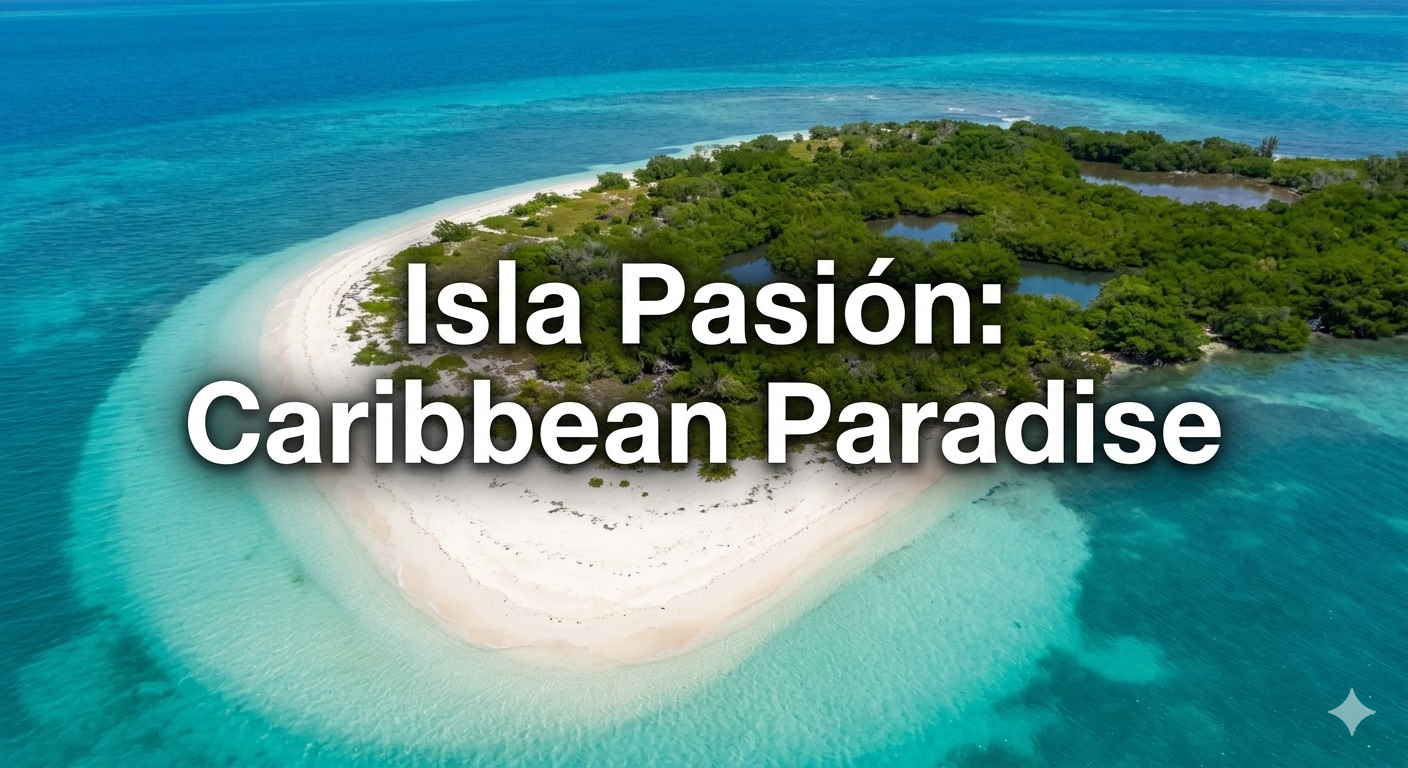
The map-style overview below is a simple planning explainer, not a navigation map. Always let your licensed guide or boat operator choose the route based on conditions, permitted access, and group ability.
Palancar Gardens
Palancar Gardens is usually the most relevant Palancar section for snorkelers and less advanced divers. It is the name many visitors hear when a tour includes Palancar as a snorkel stop or scenic reef dive.
The appeal is visual: coral formations, reef fish, clear water, and a stronger sense of scale than many near-town shore sites. Conditions still matter. Wind, current, visibility, route selection, and crowding can change the experience from one day to the next.
Palancar Horseshoe
Palancar Horseshoe is more commonly discussed in diving terms. The name refers to reef structure and formations that appeal to divers who want more than a shallow surface view. Snorkelers may hear the name, but most visitors should rely on the operator to decide whether the conditions and route match the group.
Palancar Caves
Palancar Caves is a diver-focused name. It does not mean casual cave exploration for snorkelers. In Cozumel diving language, “caves” often refers to swim-throughs, channels, overhangs, and reef structure that certified divers experience with proper buoyancy and guide support.
If you are not certified, do not book based on the word “caves.” Book based on your actual activity: snorkeling, Discover Scuba, certified boat diving, or shore snorkeling.
Palancar Bricks
Palancar Bricks is another section that matters most to divers. It is usually discussed as part of the deeper Palancar reef system rather than a beginner snorkel stop. Certified divers should ask the operator how Bricks compares with Gardens, Horseshoe, and Caves on the specific day they plan to dive.
Is Palancar Reef Better for Snorkeling or Diving?
Palancar can work for both snorkeling and diving, but not in the same way. Snorkelers experience Palancar from the surface, usually over a suitable shallow section such as Palancar Gardens. Certified divers can experience more of the reef’s depth changes, formations, swim-throughs, wall profiles, and drift movement.
Best Fit for Snorkelers
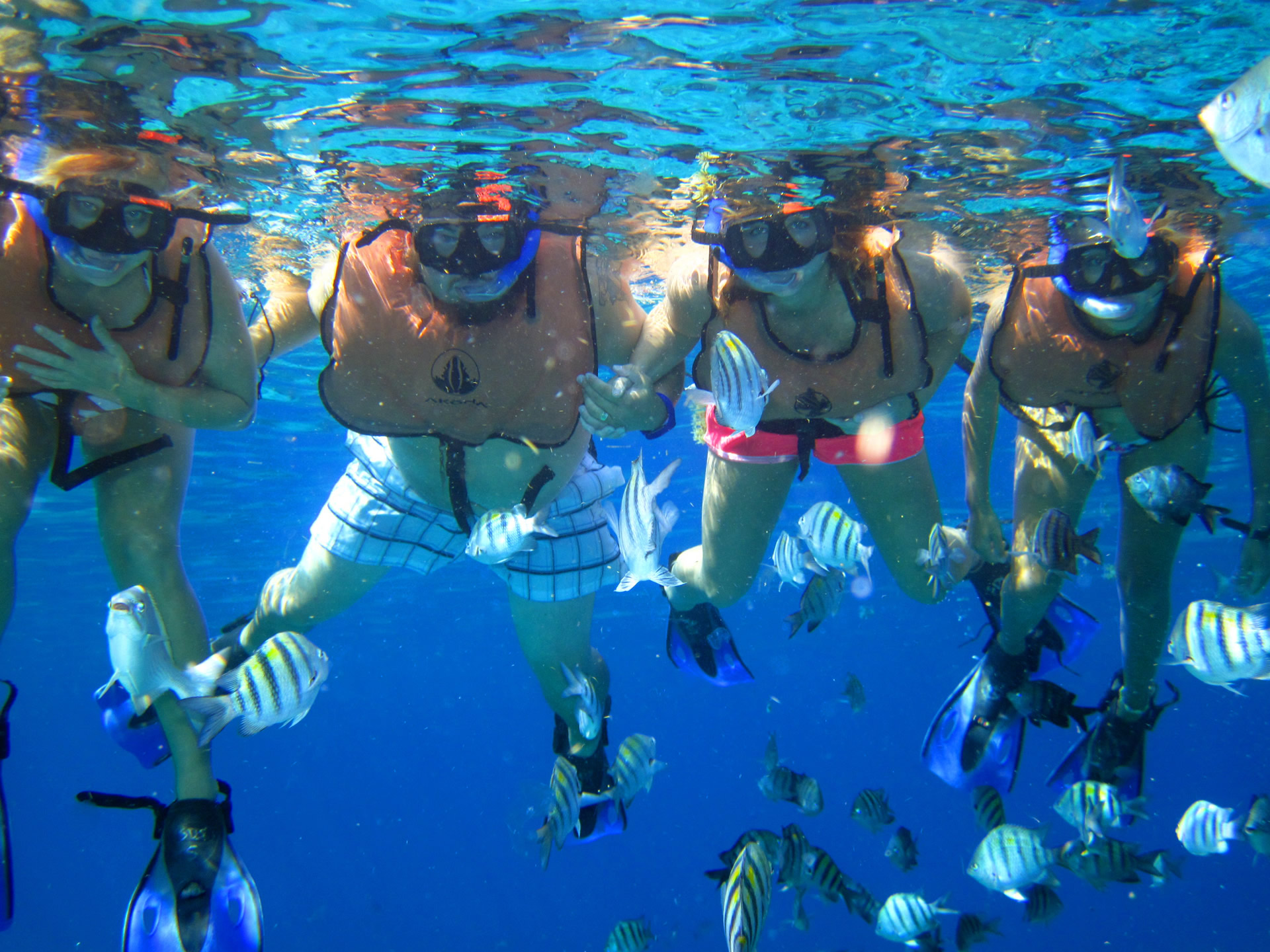
Palancar is a good fit for snorkelers who are comfortable floating in open water, can follow a guide, are fine entering and exiting from a boat, and want a famous offshore reef rather than a simple beach entry.
Palancar may not be the best first snorkel for someone who is nervous in deeper water, dislikes boat ladders, or wants to stop and stand whenever they need a break. In that case, a shore-based guided snorkel can be a better first step.
Sunset Cozumel’s guided shore snorkeling is built around direct beachfront entry, gear, instruction, and a shorter, more flexible water session.
Best Fit for Divers
Palancar is a strong fit for certified divers who want a classic Cozumel reef dive. Sunset Cozumel’s guided Cozumel scuba diving page lists shore and boat dive options, certification requirements, duration, and marine-park permit notes. If Palancar is your goal, confirm current site access, required certification level, recent-dive requirements, and conditions before booking.
If you have not dived recently, do not choose Palancar only because it is famous. Ask about a refresher, shore dive, Discover Scuba option, or a calmer beginner site first.
What Can You See at Palancar Reef?
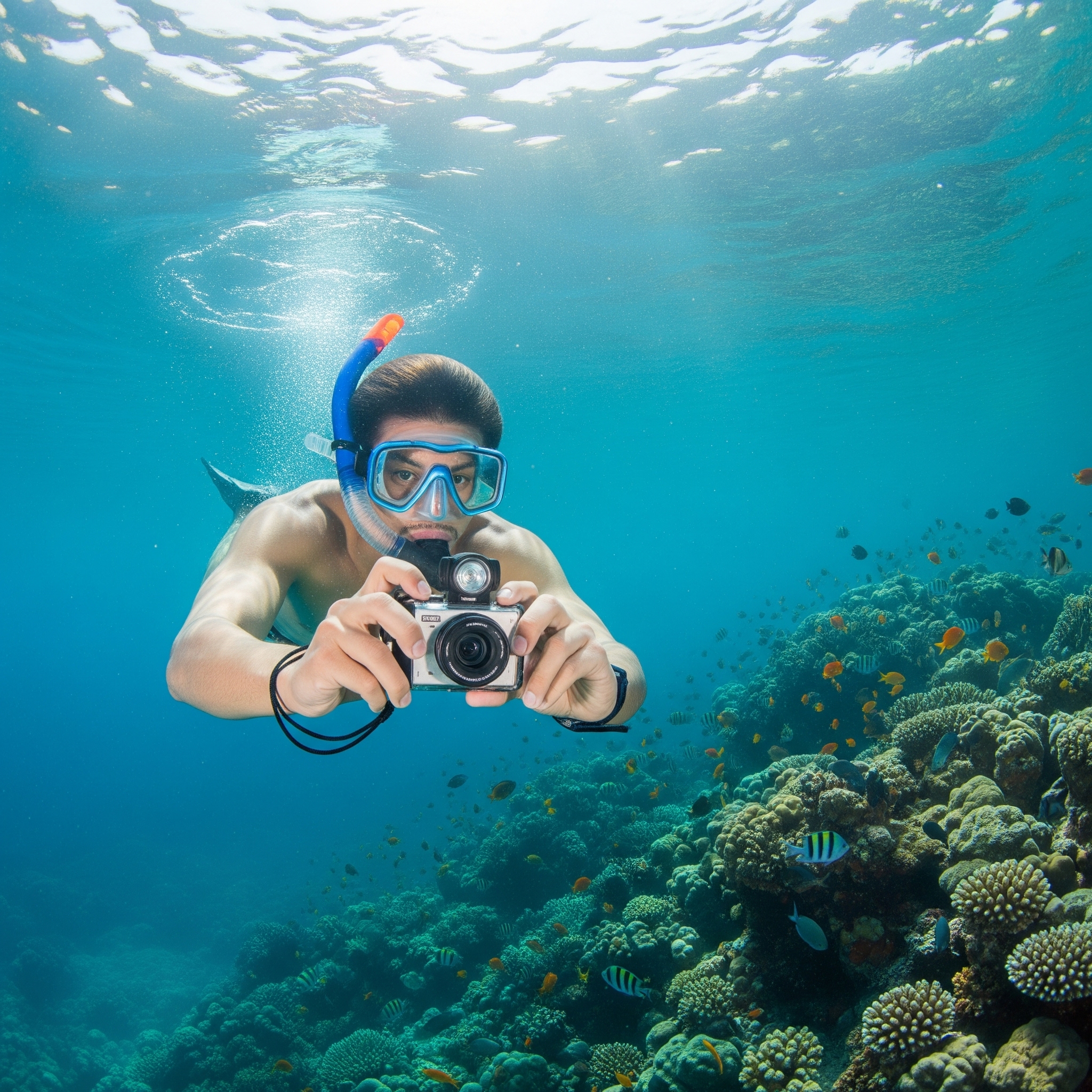
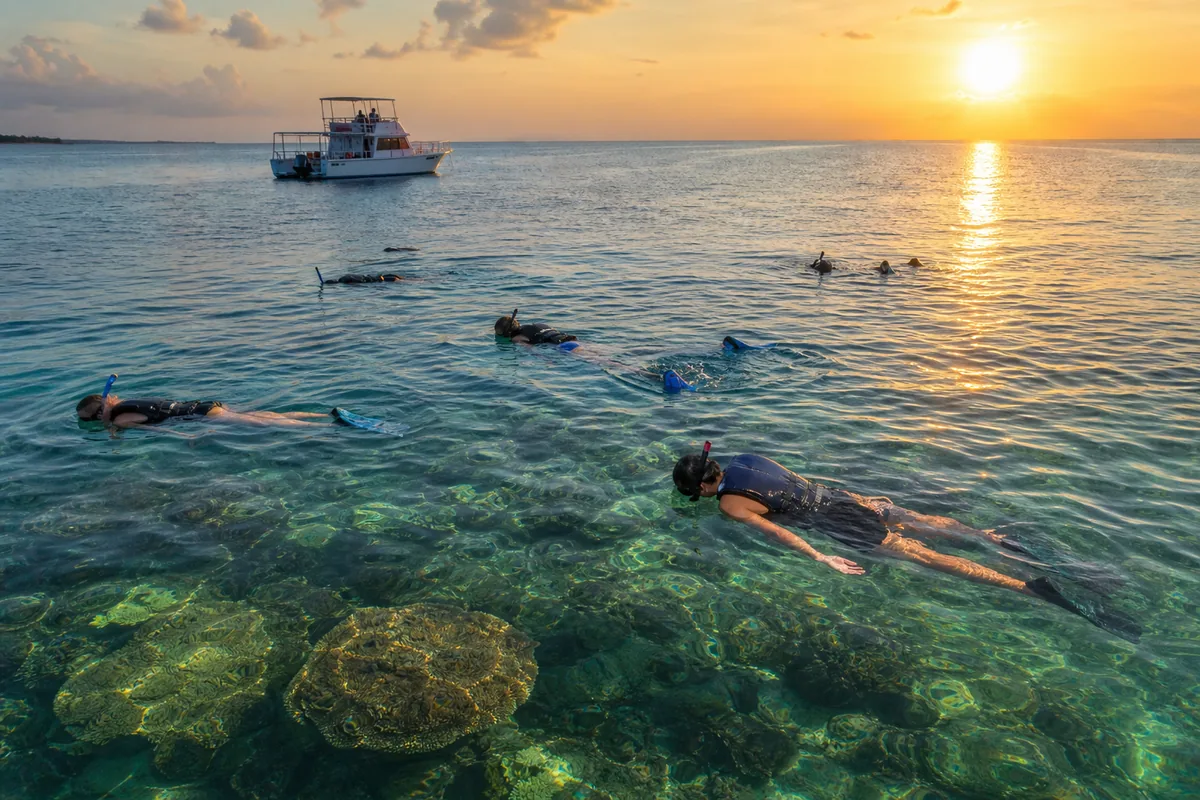
Palancar is known for coral formations, reef fish, sponges, sea fans, and underwater topography that feels different from flat, near-shore snorkel areas. Depending on the section and conditions, visitors may also see turtles, rays, groupers, parrotfish, angelfish, and other reef life.
Keep expectations realistic. No ethical operator should guarantee a specific animal sighting. Visibility, current, season, time of day, reef access, and group behavior all affect what you see.
The better goal is a respectful reef experience: stay calm, keep distance, avoid chasing wildlife, and let the guide manage the route.
Palancar Reef Rules, Fees, and Reef-Safe Behavior
Palancar is part of a protected reef environment, so rules are not optional. CONANP’s Arrecifes de Cozumel page lists visitor regulations that include keeping distance from reefs, not feeding fauna, hiring boats and guides authorized by CONANP, no anchoring, not touching reefs, not disturbing marine fauna, no fishing, and no gloves, knives, or rods.
The same official page listed a protected-area entrance fee of $225 MXN per person per day when checked on August 3, 2026. Fees and operator permit handling can change, so confirm the current amount and whether it is included before booking.
Reef-Safe Planning Checklist
- Do not touch coral.
- Do not stand on reef.
- Do not chase or feed marine life.
- Keep fins away from coral heads.
- Use flotation if it helps you stay horizontal and calm.
- Follow your guide’s route and current instructions.
- Use sun protection methods that comply with local rules, such as rash guards, hats before boarding, and shade breaks.
For more beginner safety detail, use Sunset Cozumel’s Cozumel snorkeling safety guide.
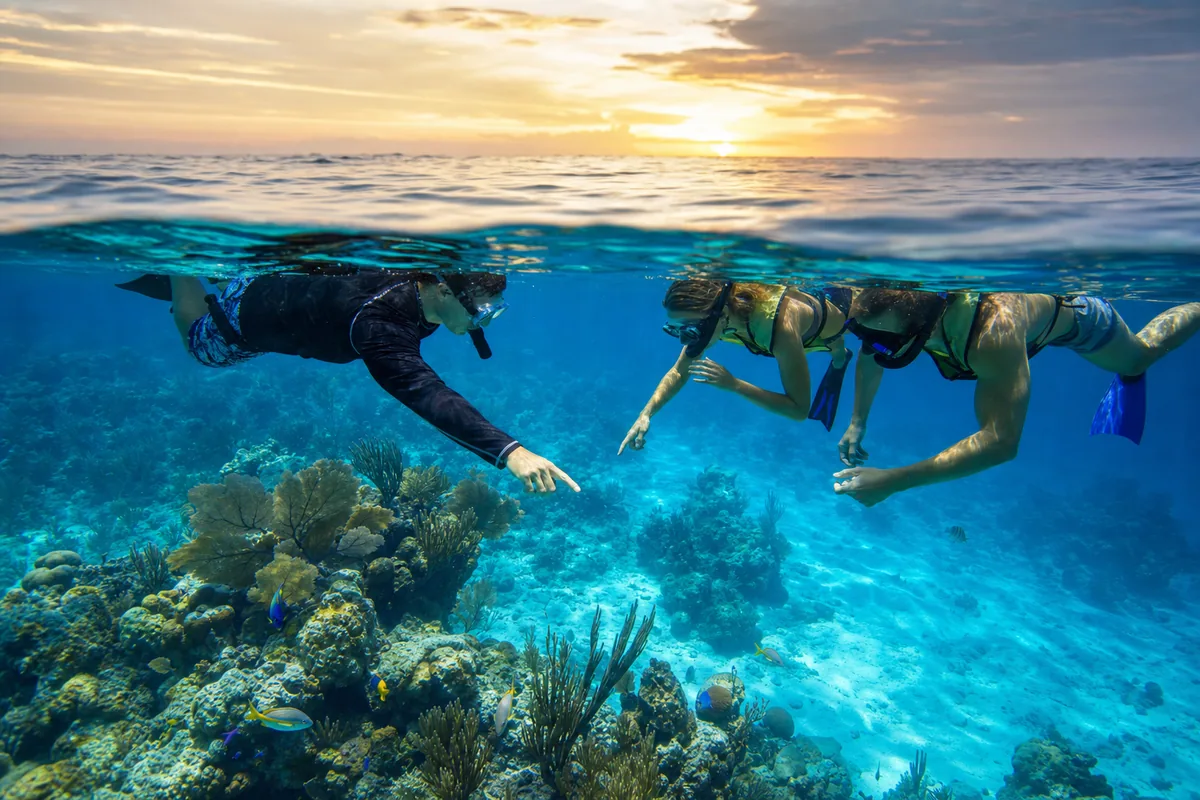
Palancar Reef vs Shore Snorkeling Near Town
Choose Palancar if your priority is the iconic offshore reef experience and your group is comfortable with boat logistics. Choose shore snorkeling if your priority is simplicity, flexible timing, and easier breaks.
Shore snorkeling near town is easier to combine with food, drinks, bathrooms, shade, and short water sessions. It can also work better for some cruise passengers because you do not have to build the whole day around a boat schedule.
| Plan | Best For | Tradeoff |
|---|---|---|
| Palancar boat snorkel | Confident snorkelers who want a famous offshore reef | More logistics, boat timing, and open-water comfort required |
| Palancar certified dive | Divers who want classic Cozumel reef structure | Requires certification, recent experience, and operator site selection |
| Guided shore snorkeling | Beginners, families, short cruise stops, and mixed-interest groups | Less dramatic than offshore Palancar, but simpler and more flexible |
| Beach club plus food | Groups that want a relaxed water day | Not a substitute for a dedicated offshore reef trip |
If you are still comparing reef options, see the broader guide to the best snorkeling spots in Cozumel.
Final Palancar Reef Planning Checklist
Before choosing Palancar Reef, confirm your activity type, your group’s comfort level, current reef access, whether the marine park fee is included, and how much time you need to return to your ship, ferry, hotel, or next activity.
- Are you snorkeling, trying Discover Scuba, or certified diving?
- Does the operator have appropriate authorization for the marine park?
- Is Palancar open and suitable on your chosen day?
- Is the route appropriate for your swimming, snorkeling, or certification level?
- Is the marine park fee included or separate?
- How much return-time buffer do you need?
- Would your group enjoy an offshore boat plan, or would shore snorkeling be more comfortable?
Palancar Reef is worth planning carefully because it is not just another beach stop. It is one of Cozumel’s signature reef experiences, and the best way to enjoy it is to match the reef, the operator, and the activity to your actual comfort level.
How Sunset Cozumel Fits Your Reef Day
Sunset Cozumel fits naturally as a practical starting point for visitors who want help choosing the right water activity, not as a claim that every visitor should choose the same reef.
- If you are certified and want a reef dive, start with Sunset’s guided Cozumel scuba diving options and ask what sites are appropriate for your certification level, recent experience, cruise schedule, and daily conditions.
- If Palancar sounds exciting but your group wants a lower-stress first snorkel, choose guided shore snorkeling at Sunset Cozumel. It includes direct shore entry, gear support, guidance, and the option to pair the activity with lunch.
- If you are visiting by cruise ship and still deciding how much time you have, compare broader Cozumel shore excursions before booking a boat-access reef.
Sunset Cozumel also publishes its sustainability work, which is relevant for visitors who care about reef restoration and responsible marine tourism.
Palancar Reef Planning FAQs
Is Palancar Reef good for beginner snorkelers?
Palancar can work for confident beginner snorkelers on the right guided route, but it is not the easiest first snorkel for everyone because it is usually a boat-access reef. Nervous beginners may prefer a guided shore snorkel first.
Is Palancar Reef better for snorkeling or scuba diving?
Palancar is excellent for both, but divers can usually experience more of its structure, depth, and swim-through-style formations. Snorkelers usually focus on suitable shallow sections, especially Palancar Gardens.
Do you need a boat to visit Palancar Reef?
Yes, most visitors should plan Palancar as a boat-access reef experience with a licensed snorkel or dive operator.
Which Palancar section is best for snorkeling?
Palancar Gardens is the Palancar section most often associated with snorkeling and less advanced reef experiences. Conditions and route decisions still depend on the operator and the day.
Can cruise passengers visit Palancar Reef?
Yes, cruise passengers can visit Palancar if they have enough usable time for transportation, check-in, boat travel, the water session, and return buffer. If the port call is short, a shore snorkel may be simpler.